

A separate, confidential conversation for children over ten, and what it changes.
What it is

A single separate meeting between your child and a mediator who holds an additional accreditation for working directly with children. It usually lasts around forty five minutes, it happens away from both parents, and it is confidential to the child.
Both parents must consent, and so must the child. A child who does not want to take part does not take part, and that is treated as information in itself rather than as a problem to solve.
What a child is actually asked
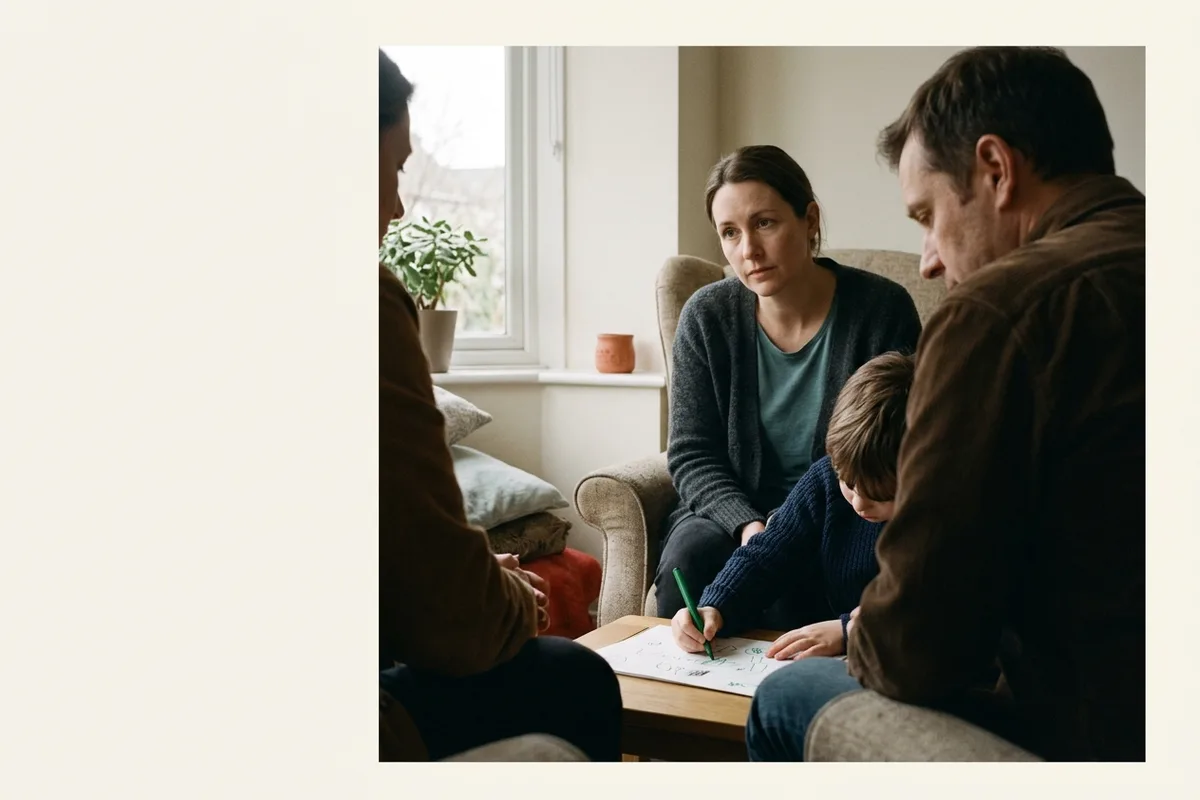
What their week is like. What works and what does not. What they would change if they could. What they want the adults to understand.
What they are not asked is which parent they want to live with. Putting that question to a child asks them to choose between two people they love and to carry the outcome, and no responsible practitioner does it. Parents sometimes hope the process will deliver exactly that answer, and it is worth being clear at the outset that it will not.
What comes back to you
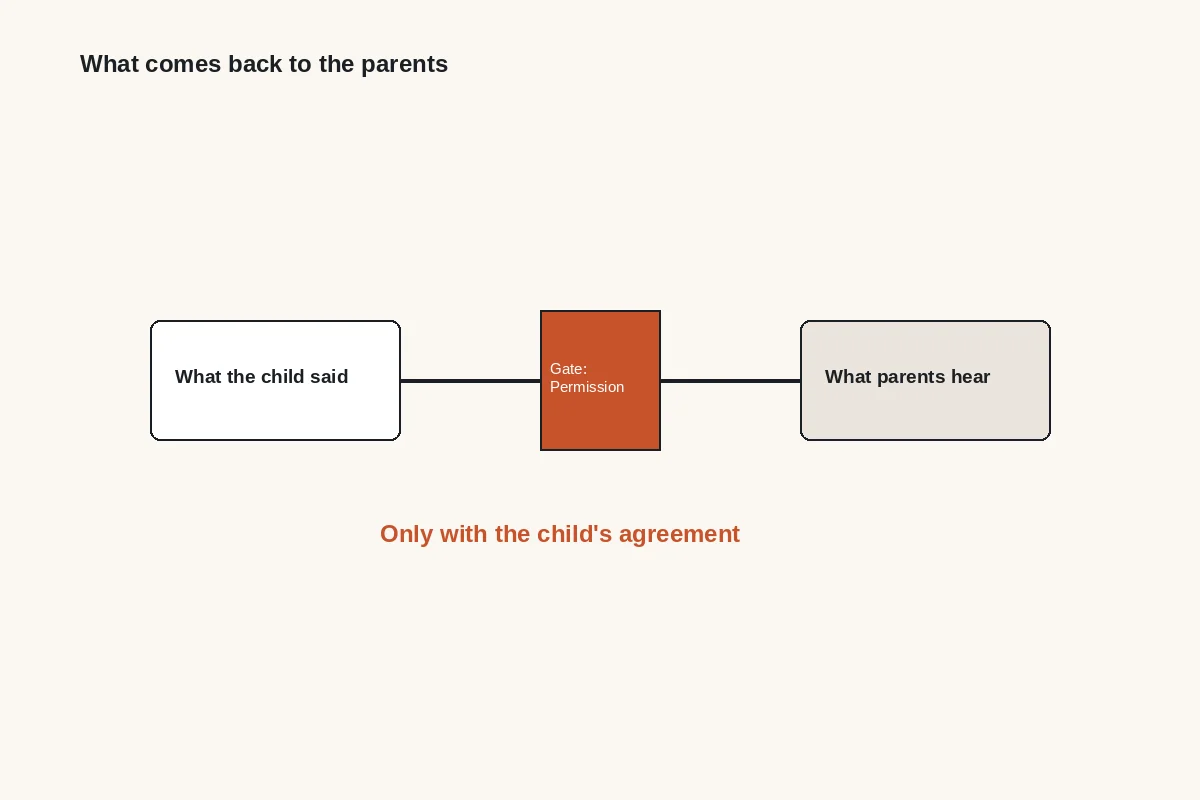
Only what the child agrees to share. The mediator asks explicitly what may be passed on and what must not be, and that boundary is kept. Sometimes a child shares almost everything. Sometimes a single sentence comes back.
The exception is safeguarding. Where a child discloses something indicating a risk of significant harm, confidentiality does not hold, and the child is told that before the conversation begins rather than afterwards.
Why it changes the conversation
Parents deep in a dispute about a schedule frequently discover the child minds about something else entirely. Not having their own space at one house. Missing a Saturday football club because of the handover time. Being asked questions about the other parent. Feeling responsible for a parent who is visibly upset.
Those are solvable, and they are rarely what the adults were arguing about. A parenting plan built around what the child actually raised holds together better than one built around an even division of hours.
The legal context

The Children Act 1989 welfare checklist requires a court to consider the ascertainable wishes and feelings of the child, considered in light of their age and understanding. Involving a child in mediation is a way of doing that without the child becoming part of a court process, and without a Cafcass officer needing to gather it.
When it is not appropriate
Where a child is very young. Where there is a risk that a child would be questioned or pressured about the meeting afterwards. Where the parental conflict is such that anything the child says will be used. And where the child does not want to.
A mediator will decline it in those situations, and being told it is not appropriate is not a judgement about you.
Preparing your child
Tell them what it is and that it is not a test. Make clear that they are not being asked to choose, and that they can say as much or as little as they want. Then leave it alone. A child who arrives having been briefed on what to say has been placed in the position the process exists to protect them from, and it is usually obvious.
The accreditation this requires
Not every family mediator can do this. Speaking to a child in the context of a family dispute requires a separate qualification and specific approval from the Family Mediation Council, on top of full accreditation as a family mediator.
If you are considering it, ask directly whether the mediator holds that approval. It is a reasonable question and any mediator who does will answer it without hesitation.
What the child is told beforehand
A great deal depends on how the invitation is put. A child who is told the meeting will decide where they live carries a weight nobody intended to give them. A child who is told an independent person would like to hear how things are going, and that nothing they say will decide anything, arrives in a completely different frame.
Both parents should give the same message, and the mediator will usually help you agree the words. Children notice when two accounts differ.
The child is also told, by the mediator at the start, that they can end the meeting whenever they want, that they do not have to answer anything, and that they are not being asked to choose.
What actually happens in the meeting
It is short. Around forty five minutes for most children, less for younger ones. It happens without either parent present, which is the point: a child sitting beside a parent is answering to that parent.
The mediator does not interrogate. Younger children may draw, or talk about an ordinary week, or describe both homes. Older children often talk directly, and frequently about things the adults have not thought to ask, such as where their belongings are, how they get to see their friends, or whether they can bring homework between houses.
There is no recording and no transcript. The mediator takes notes for their own use.
What comes back to the parents
Only what the child agrees can be passed on. This is the rule that makes the whole thing work, and it is not negotiable. The child decides, at the end of the meeting, what the mediator may say and what stays private.
Sometimes a child asks for something specific to be conveyed and nothing else. Sometimes a child is happy for everything to be shared. Occasionally a child asks for none of it to go back, and that has to be respected even though it is frustrating for the adults who paid for the session.
There are two exceptions, both explained to the child before they start. If a child says something indicating they are at risk of significant harm, the mediator has a safeguarding duty that overrides confidentiality. And a mediator cannot keep something secret that they would be required to report.
How the feedback is delivered
The mediator brings it into the next joint session and puts it carefully. The feedback is framed as the child's experience rather than the child's instruction, because a child who has been consulted is not a child who has been put in charge.
Parents sometimes hear something they did not expect. A child who says the handover in the car park is the worst part of their week. A child who has been managing both parents' feelings without either realising. This is the value of it, and it is also why it can be uncomfortable.
Age, and when it is not appropriate
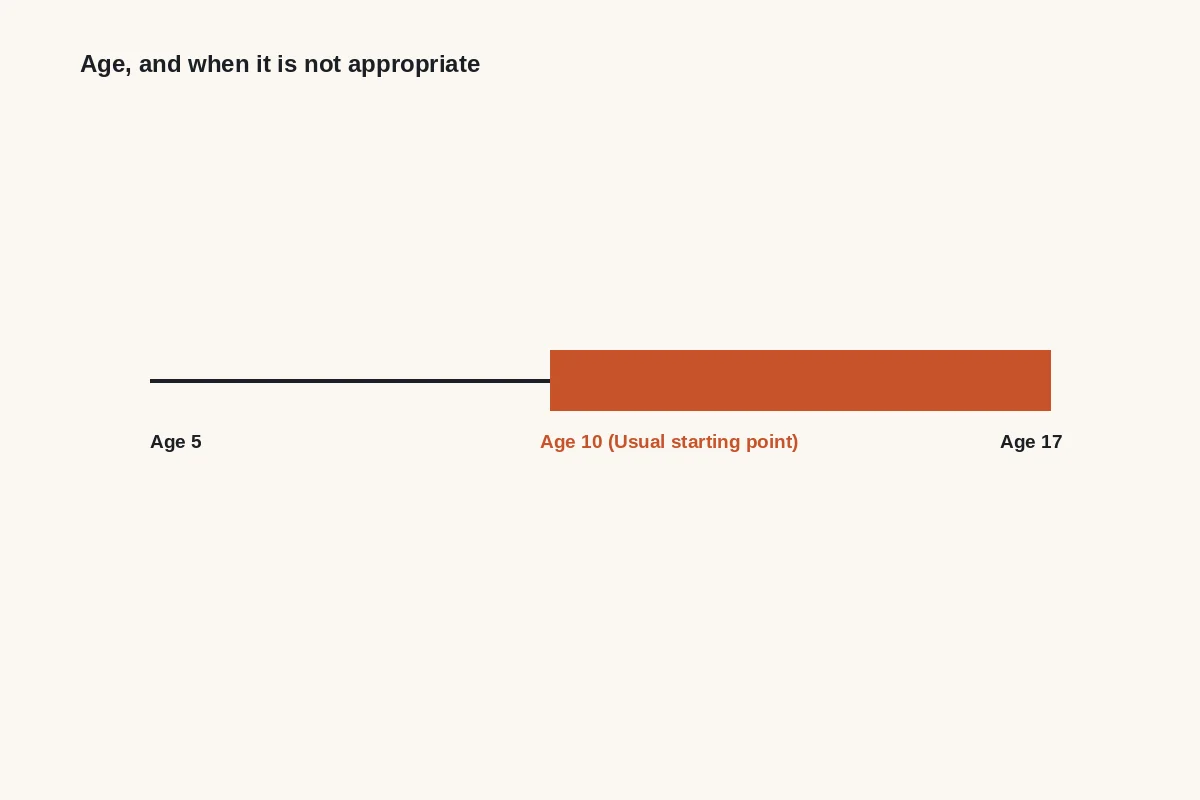
Ten is the usual starting point and it is a guide rather than a rule. Some eight year olds manage it well. Some fourteen year olds are too caught in the middle for it to be fair to them.
It is generally not appropriate where a child is already being seen by Cafcass or a court appointed guardian in live proceedings, where there are unresolved safeguarding concerns, where a child is showing signs of significant distress that need a therapeutic rather than a consultative response, or where either parent is not genuinely willing to hear something they disagree with.
That last one is the most important. A parent who wants the meeting because they are confident of what the child will say is not consenting to a consultation, they are seeking evidence, and a mediator will decline.
Siblings
Usually seen individually, sometimes together where they ask for it and the ages are close. A younger sibling in the room with an older one tends to defer, and that produces one view rather than two.
What it is not
It is not therapy, and a child who needs therapeutic support needs a different service. It is not an assessment, and the mediator does not form a view about which parent is better. It is not evidence, and nothing said in it can be used in court, because the whole process is legally privileged.
And it does not give a child the deciding vote. The adults still decide. What changes is that they decide knowing something they did not know before.
Whether to do it
The research on this is consistent and it points one way: children who are consulted about arrangements that affect them cope better with those arrangements, and they cope better even when the outcome is not what they said they wanted. Being heard and being obeyed are different things, and children understand the difference far better than adults expect.
What holds most parents back is the fear of putting a child in the middle. It is a fair fear. The structure of the process, with the confidentiality resting with the child and the decision resting with the adults, exists specifically to answer it.
Preparing yourself for what comes back
The hardest part for most parents is not the consent, it is the feedback. Children commonly report something neither adult expected, and it is frequently about a practical detail rather than about either parent.
Go into it having agreed one thing with yourself in advance: that you will listen to the feedback without responding to it in the session. Take it away, sit with it for a few days, and bring your response to the next meeting. Nothing has to be decided in the moment, and the parents who give themselves that space almost always handle it better.
If what comes back is difficult, it is worth remembering that the child chose to say it because they were given a safe place to. That is a good outcome even when it does not feel like one.
Afterwards, with the child
Thank them, briefly, and then let it go. Do not question them about what they said, do not tell them what you were told, and do not report back on what changed as a result of their meeting. All three turn a consultation into a responsibility.
Where something in the arrangements does change, present it as a decision the two of you made. That is true, and it keeps the weight where it belongs.
How Mediation Direct can help in United Kingdom
A short, confidential conversation between your child and a specially accredited mediator.
Frequently Asked Questions About Our Services
At what age can a child take part?
Generally ten and above, though it depends on the individual child. Younger children are occasionally seen where there is a specific reason and the mediator judges it appropriate.
Will my child be asked who they want to live with?
No. That question asks a child to choose between two people they love and to carry the consequence. A properly trained mediator does not ask it.
Do I get told what my child said?
Only what your child agrees can be shared. The mediator asks them explicitly, and that boundary is kept.
Does my ex-partner have to agree?
Yes. Both parents must consent, and so must the child.
What if my child does not want to?
Then it does not happen. A child declining is respected, and it is not treated as a problem.
Is anything ever passed on without permission?
Only where a child discloses something indicating a risk of significant harm. The child is told this before the conversation, not afterwards.
Does it replace a Cafcass report?
No, they are different processes. But resolving matters in mediation often means no Cafcass report is needed, because no application is made.
How long does it take?
Usually one session of around forty five minutes, arranged between the joint sessions.
Does it cost extra?
It is generally charged as an additional session. Where the voucher scheme applies it can be covered within the contribution.
Can my child change their mind afterwards?
Yes. What they said was a description of a moment, and children are told they can contact the mediator if they want to add or withdraw something.
About the author

Authored and reviewed by Family Mediation Council (FMC) accredited family mediators. Every procedural timeline and statutory requirement is verified against the Family Procedure Rules 2010 Part 3 and current Ministry of Justice standards.
- FMC Accredited
- Standards Board Registered
- Authorised MIAM Provider
- MoJ Voucher Scheme
Talk it through with someone
No obligation, and nothing is decided on the call. We will talk through where you are and what your options actually are.